I’m very excited to announce that my musical romantic road trip buddy comedy TV series Danny Boy Patches It Up! has been selected for Torino SeriesLab. I’m collaborating on this one with French/Swiss producer Lamar Hawkins of MYGOSH.co and Polish/Ukrainian co-writer Svitlana Topor. More information about the show here.
It’s a pretty intensive programme: over the next few months we’ll be doing week-long residencies working alongside mentors and tutors in Krakow, Madrid, and Turin. At the end of it we should have a really strong pilot, package and strategy, and hopefully we’ll have made the partnerships that will help us get it into production.
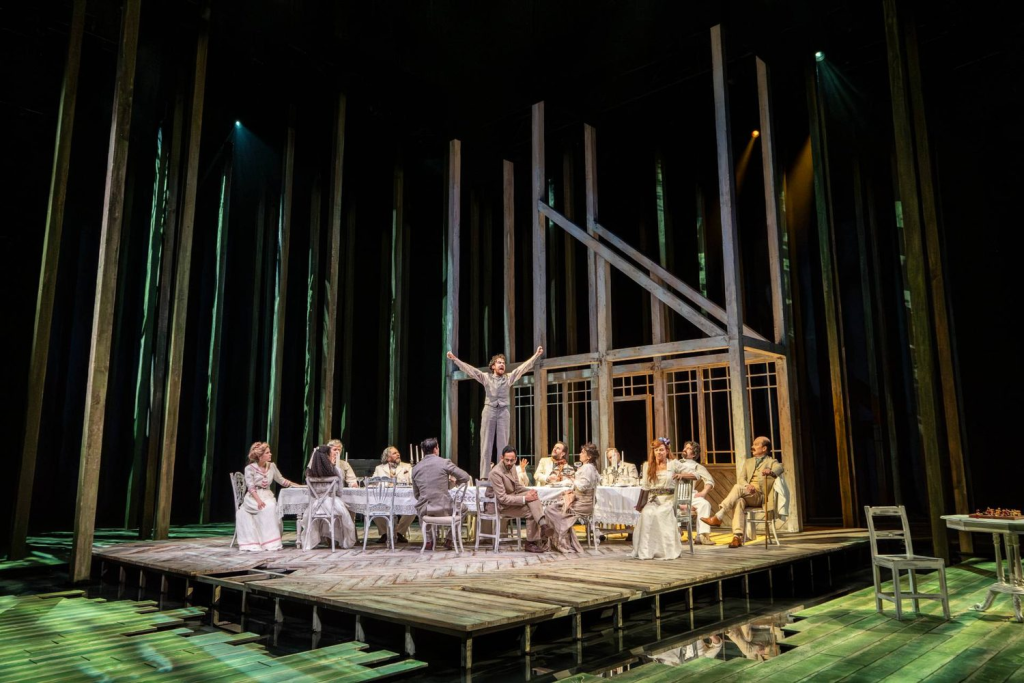
The production of Summerfolk by Maxim Gorky (trans. Nina Raine, Moses Raine) currently playing at the National Theatre is a glorious thing. Bourgeois Russians on an extended stay in their country dachas act like the trivialities of their lives are the most important, fascinating things in the world, while all around them something is brewing. The biting satire is mixed with tender emotion and a smattering of cheeky Chekovian references.
Inspiring stuff from a cast and crew directed by the National’s Deputy Artistic Director, Robert Hastie.
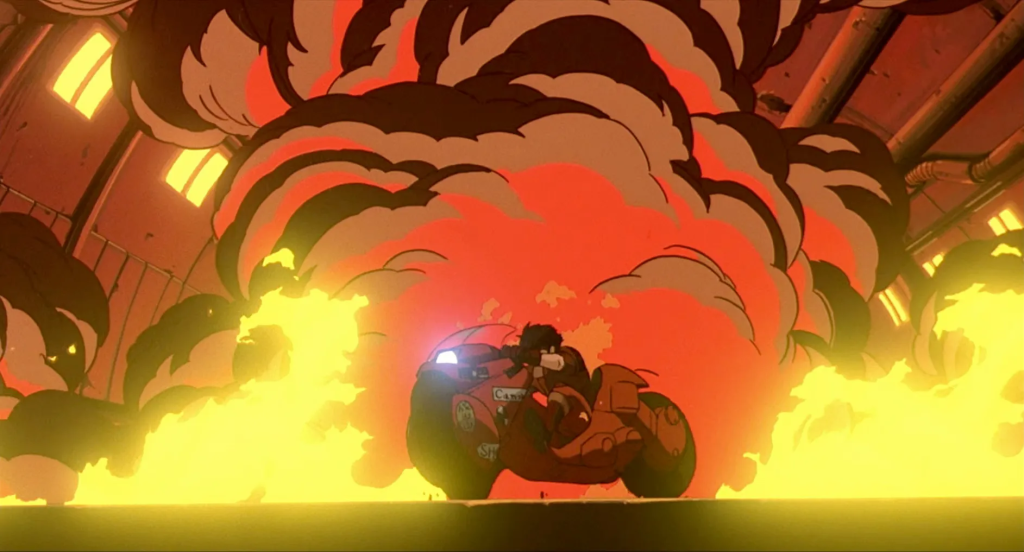
What’s the most apocalypse you can fit in one movie? Friday’s screening of Akira in 4K at the BFI IMAX was a writhing mess of spiritual-psychological-flesh apocalypses inside a ‘regular’ nuclear one. When it was released in 1988 it was sci-fi, but in 2026 it hit like a current affairs documentary.
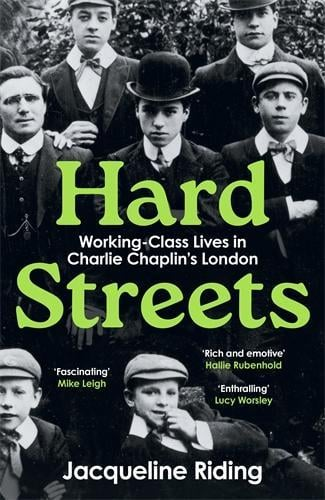
On Tuesday this week I attended a Q&A at NYU in London with Jacqueline Riding, historian and historical advisor to film and TV (including Mike Leigh’s period dramas Peterloo and Mr. Turner). Her new book, Hard Streets: Working-Class Lives in Charlie Chaplin’s London, is an engaging, accessible read, and Jacqueline talks about accessibly and with humour. I was particularly struck by the way she traces the origins of the Music Hall sketch performance tradition – that Chaplin was raised in – to the way young children would hang around outside Victorian pubs watching the adults misbehave. So many of the types that populate his films and the aspects of physical performance would have been modelled on the drunken punters.
In order to cover the full throw of the Victorian era, Riding moves beyond Chaplin to examine the life of Lambeth ceramicist George Tinworth (1843-1913), neighbour of Chaplin’s mother, and the kind of working-class arts practitioner who – along with the Music Hall entertainers like Charles Chaplin snr. – would have inspired the at-times penniless young Chaplin, and pointed the way to a less hardscrabble, chaotic existence. The book isn’t just about
The book has been warmly reviewed in places like History Today and is available from your local bookshop, or from the bookshop.org website.
AdventureX is a narrative adventure game convention, happening this weekend in London. The related Steam sale (and 72-hour ‘take-under’) has gone live. If you’re online with an UK IP address, this is the front page of Steam right now.
The in-person part of the event is sold out, but I’m directing a livestream of the event available in various places:
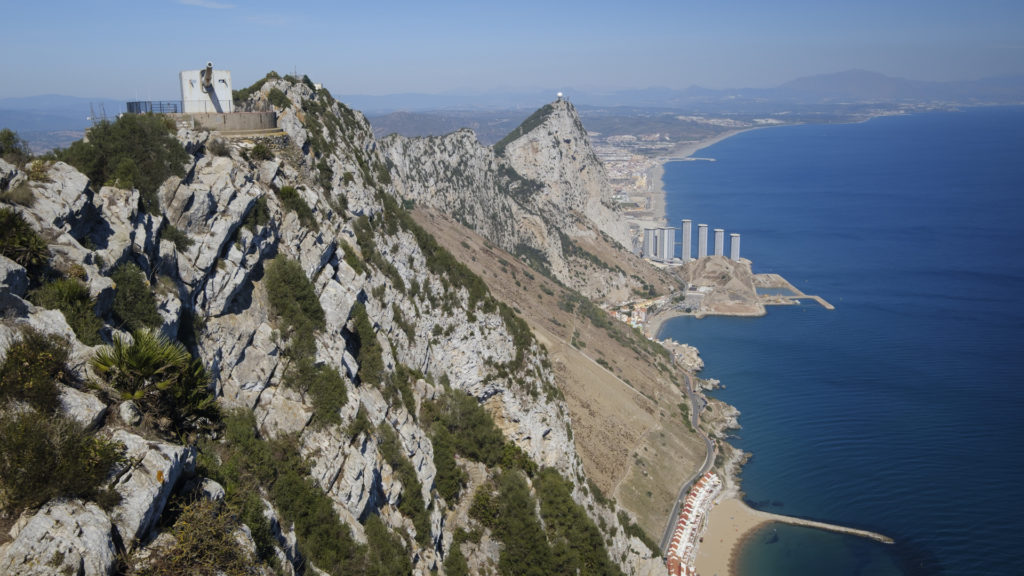
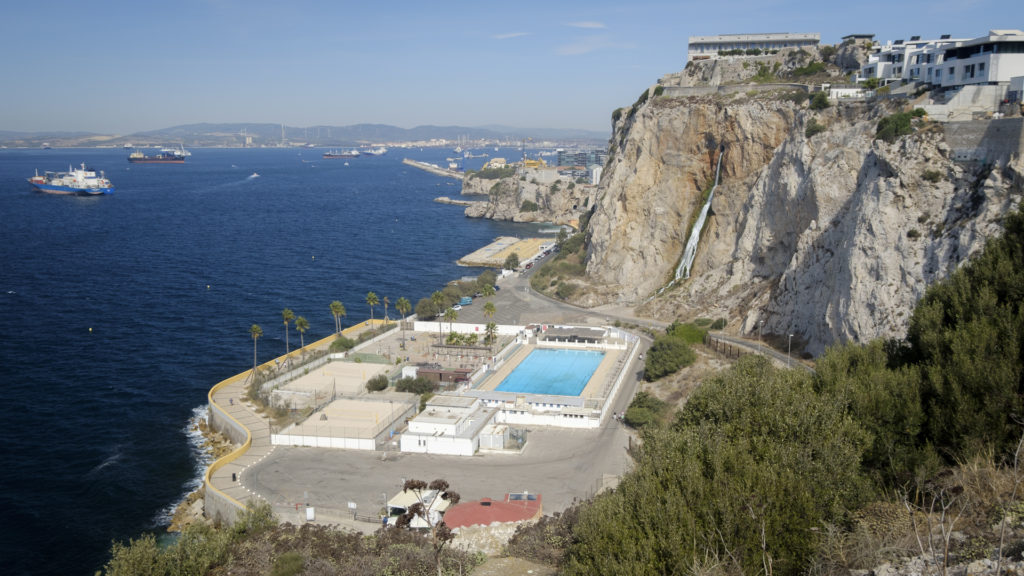
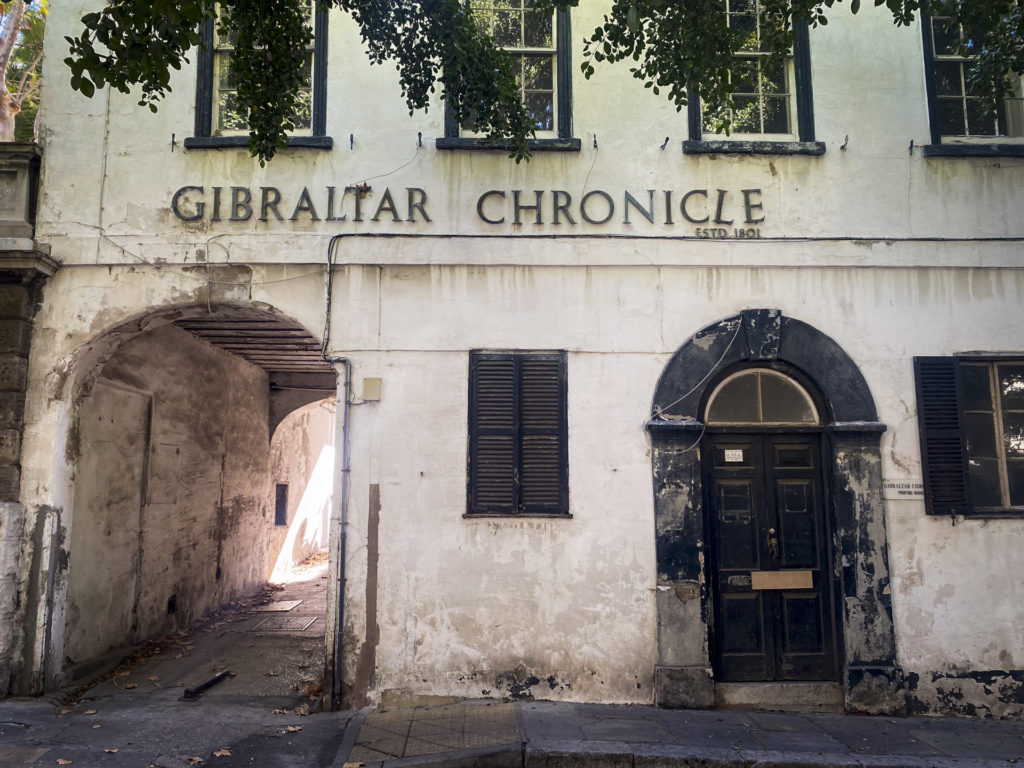
At the beginning of October I made a research trip to Gibraltar. I stayed in a house share with some residents, who were delighted to introduce me to all manner of local characters and spill the tea on all sorts of Gib intrigue. The rock itself is three miles long and one mile wide, and the inside is riddled with 34 miles of tunnels, mostly dug by the Ministry of Defence during WWII.
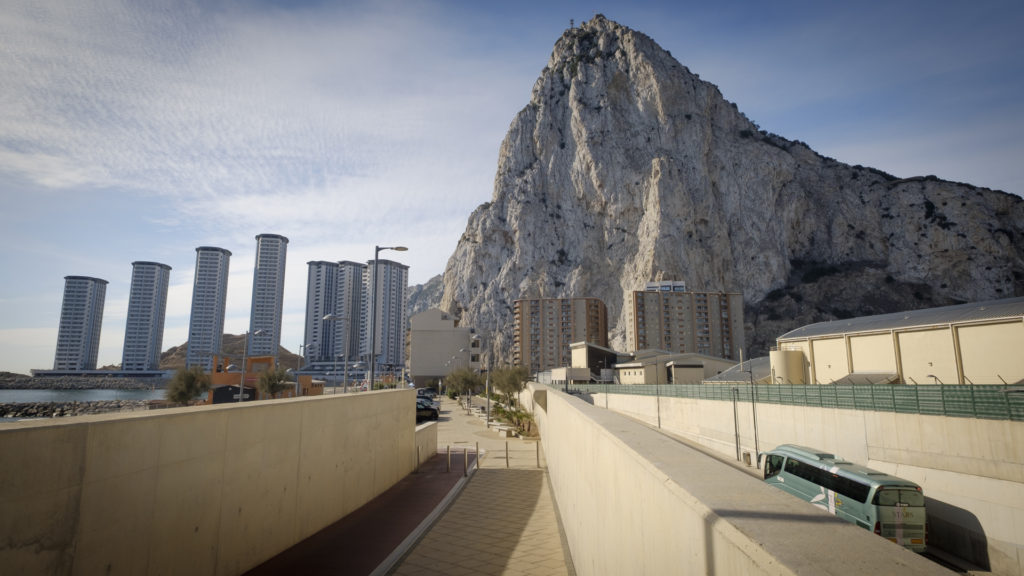
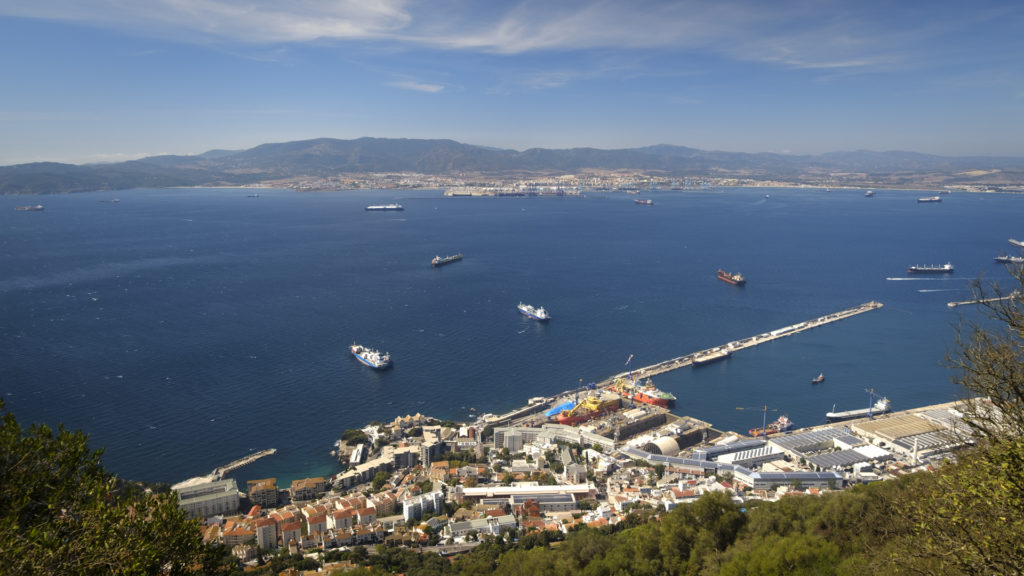
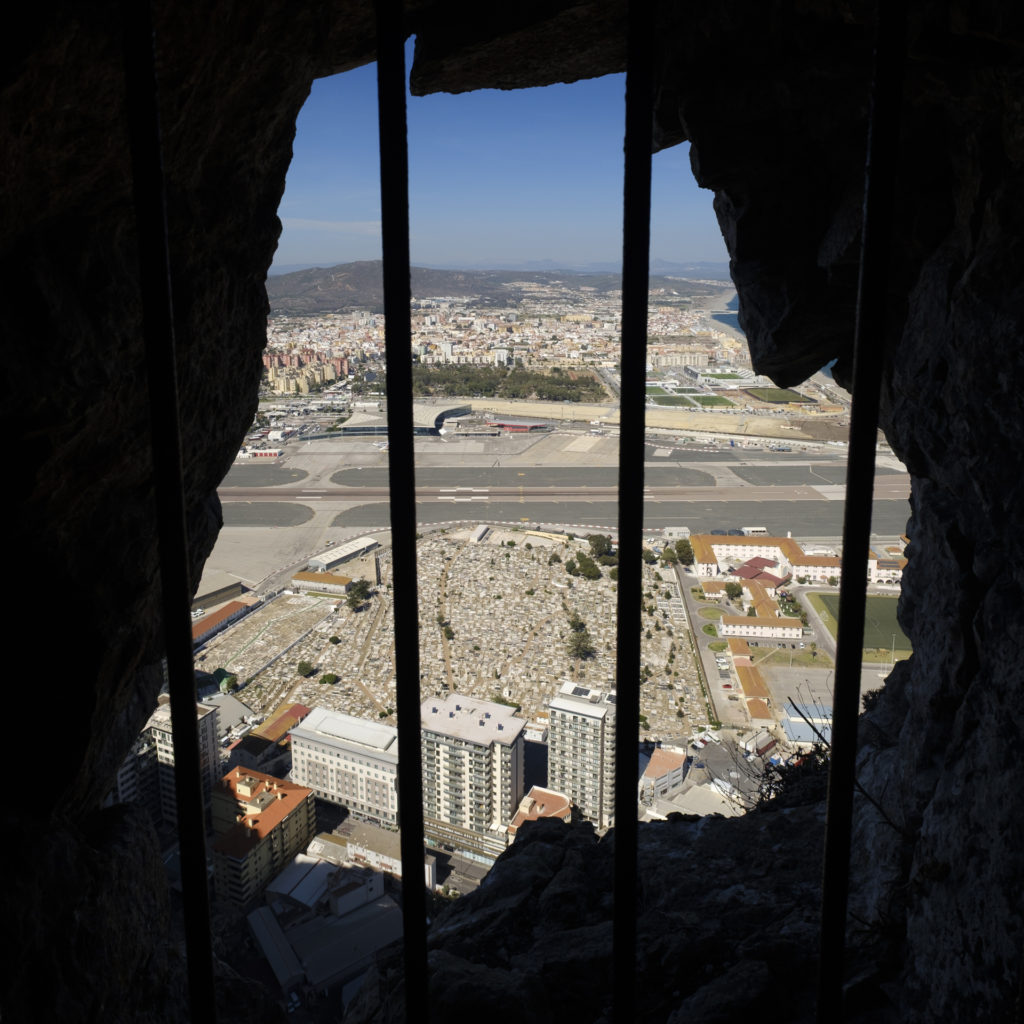
This is a selection of the photos I took as an aide-memoire for my writing process. Enjoy!
The eastern side of the rock is traditionally more sparsely populated, although a recent land reclamation programme, and the construction of this tower block complex is beginning to change that.
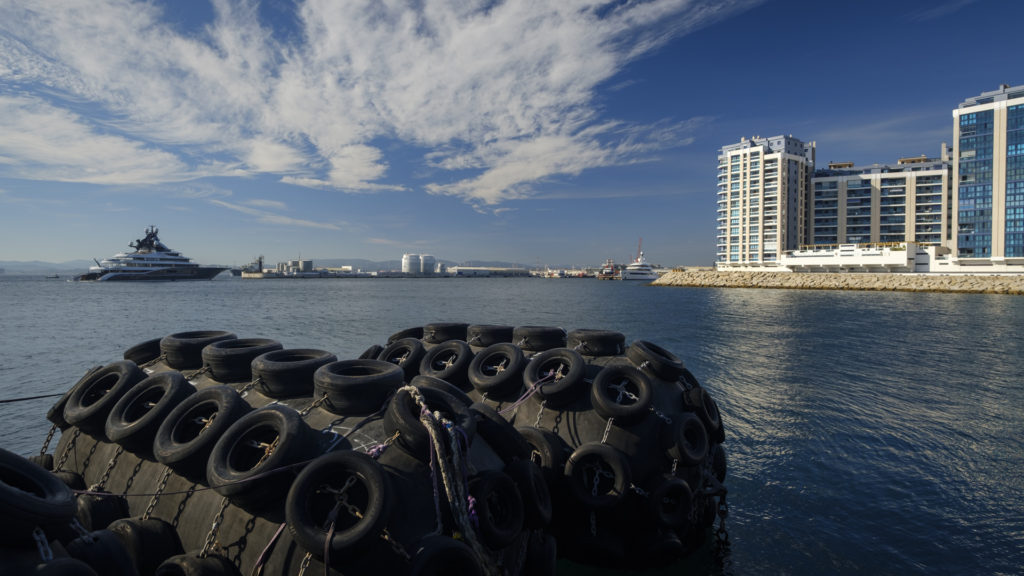
The western side of the rock has a sizeable harbour, again mostly built on reclaimed land. The way the landmass of Gibraltar keeps growing is something of a bone of contention with neighbouring Spain, but the major issue really is the treaty of Utrecht (1713) in which the Spanish crown ceded the territory to Britain ‘in perpetuity’. They’ve regretted it ever since. Gibraltarians insist that the rock is not Spain’s to claim, nor Britain’s to give away.
The military history of the rock is fascinating, and has had a lasting effect on the sense of place. This is a view from an old canon embrasure towards the border with Spain. The area of no-man’s-land first saw the development of a strategically placed cemetery, and further out a racecourse which saw improvised use as an early airfield before being developed into the airport. Every journey from the city centre to La Linéa on the other side of the border means crossing the runway either by walking across it or driving under it.
This area, Camp Bay, was reclaimed through the forced labour of Italian prisoners of war in WWII. The only way out of this area was through a tightly-guarded tunnel to the north, so it was both an effective prison and a smart land reclamation scheme. A sizeable number of the prisoners of war chose to stay on in Gibraltar after the war, married local women, and added to the incredible diversity of this tiny place.
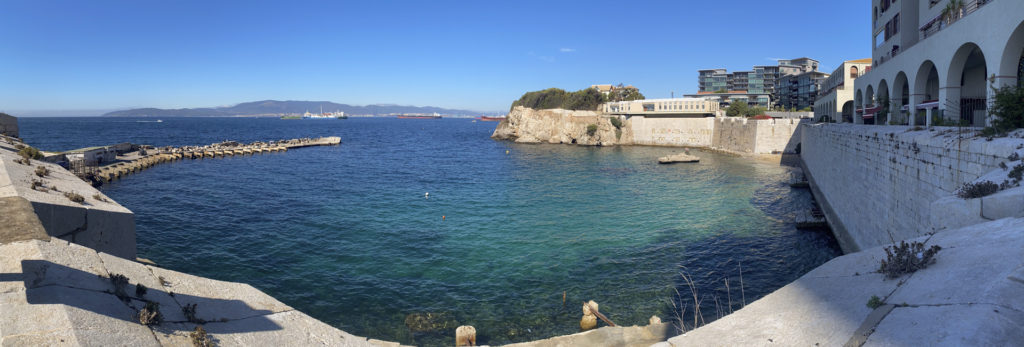
Further north, an area of reclaimed land forms a harbour and a bunkering (refuelling) port conveniently placed at the mouth of the Mediterraean Sea. Billionaire’s yachts are regularly at anchor just offshore.
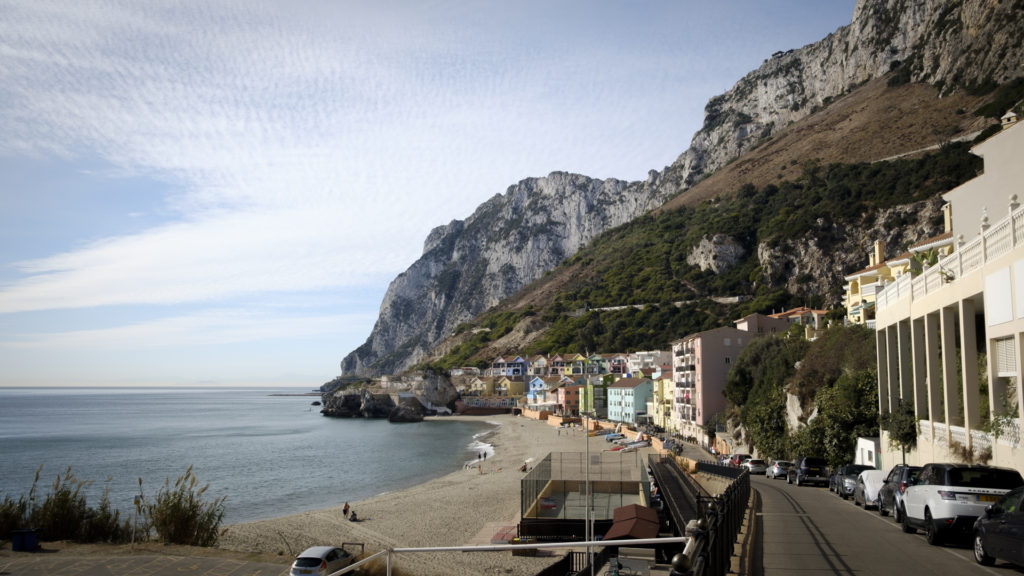
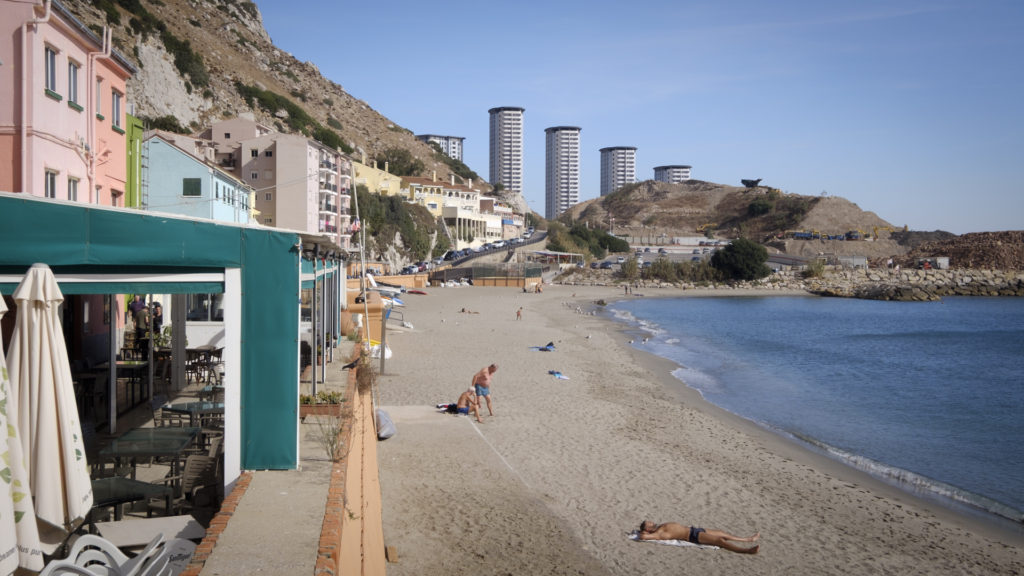
Catalan Bay, on the east of the rock, is a popular weekend getaway spot for folks who live in the more crowded west, less than a mile away. Car use is surprisingly really widespread. I travelled around the island on an electric mountain bike, and if I lived on the rock an electric cargo bike would serve all my needs perfectly adequately.
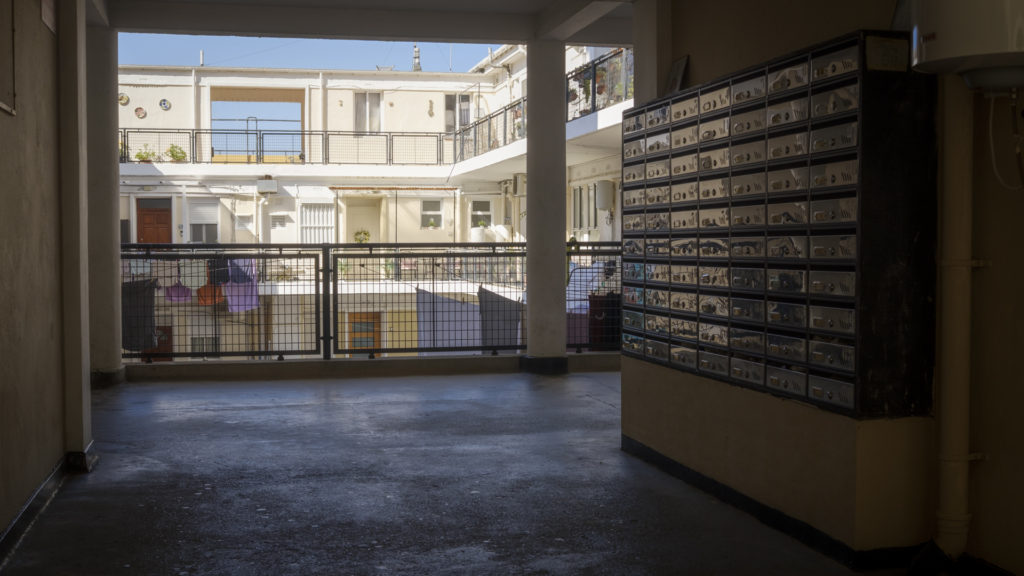
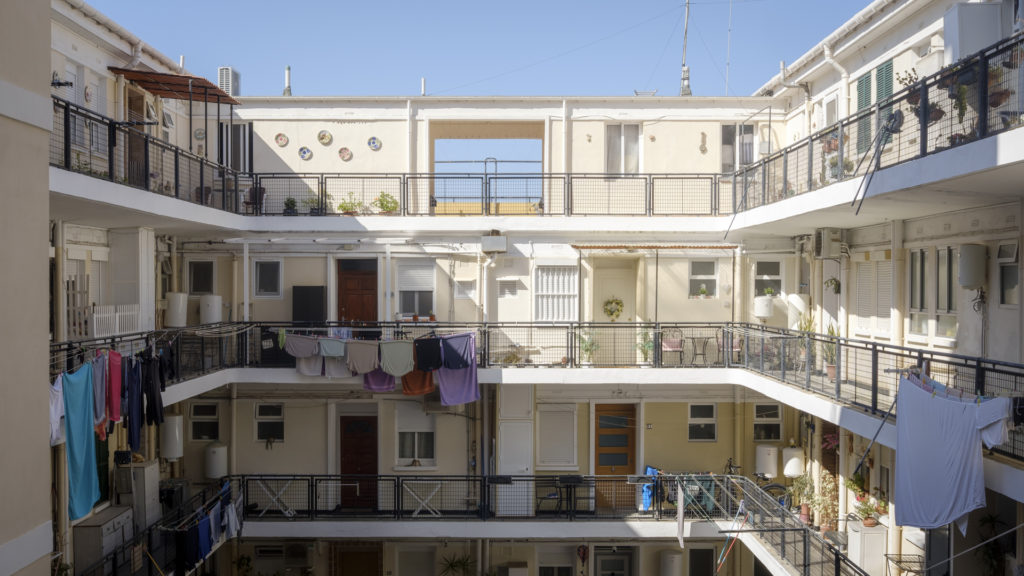
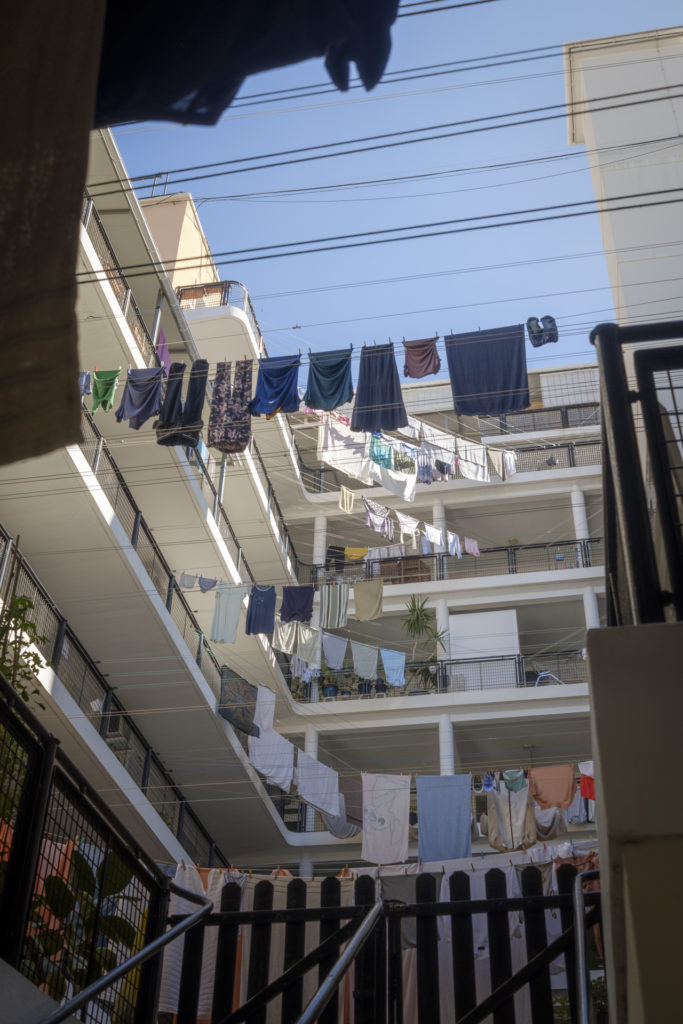
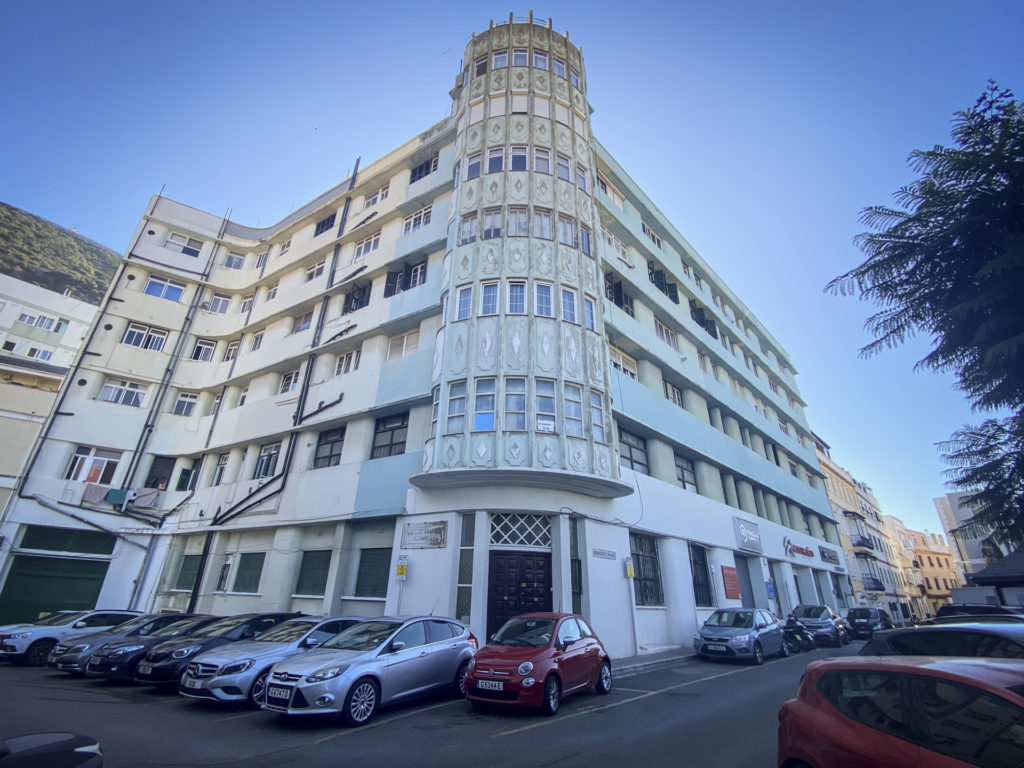
The property market is overheated. Most Gibraltarians live in council housing, which carries no social stigma. Council properties are passsed down through the generations. This beautiful, airy midcentury block tends to be occupied by older people, many of whom have lived in it since it was built.
Further up the hill there are some more midcentury architectural gems.
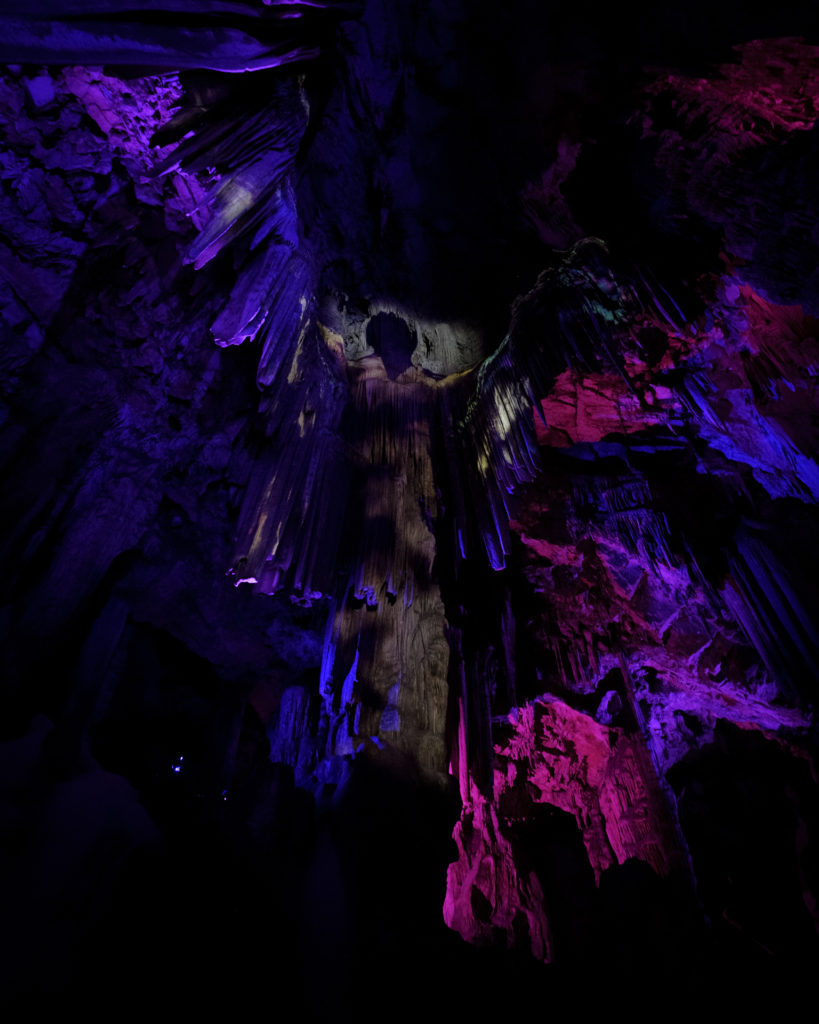
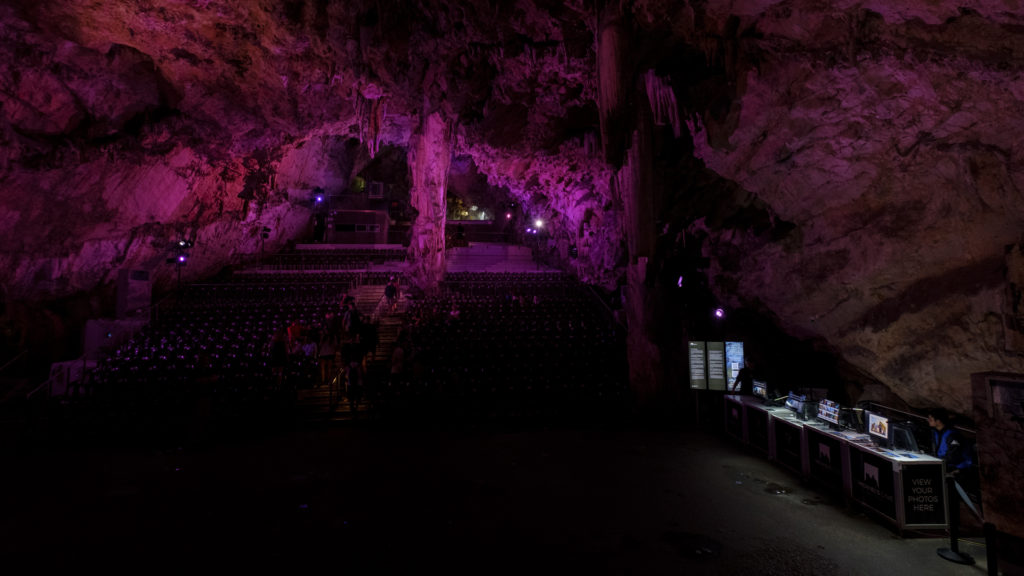
Inside the rock, alongside the WWII tunnels, there are also natural caves. St. Michael’s cave features a natural stalagtite formation that resembles an angel, and a theatre where visitors can watch a looping light show. The nature reserve on top of the rock overlaps almost exactly with MoD owned land, so I suspect a good chunk of my £30 park entry fee is really funding the British military. The charge is steep, but ultimately worth it. There’s a lot to see both above and below ground in the two-and-a-bit miles of hilly park.
The original harbour arm is tiny and derelict but still sees plenty of use as a playground, dog walking area, and fishing pontoon.
Many thanks to Jonathan Dawson and Darius Gui for being such wonderful hosts, introductions to the Chief Rabbi and a whole cast of other local luminaries, and a lovely lunch, and to Johnny Moss for the drunken history lessons and local demi-monde gossip. I’m looking forward to seeing you all again soon. :-)
On Thursday 30th October Lamar Hawkins and I are pitching our in-development musical romantic road-trip buddy comedy on bikes Danny Boy Patches It Up! at Serien Festival Basel. I’m really looking forward to spending some time in Switzerland, finding out about the other four projects pitching alongside us, and checking out the rest of the festival.
The journey of Danny Boy Patches It Up! begins in Gibraltar, which is one of the strangest and most fascinating places I’ve ever been. I’m really looking forward to digging in and writing this series.
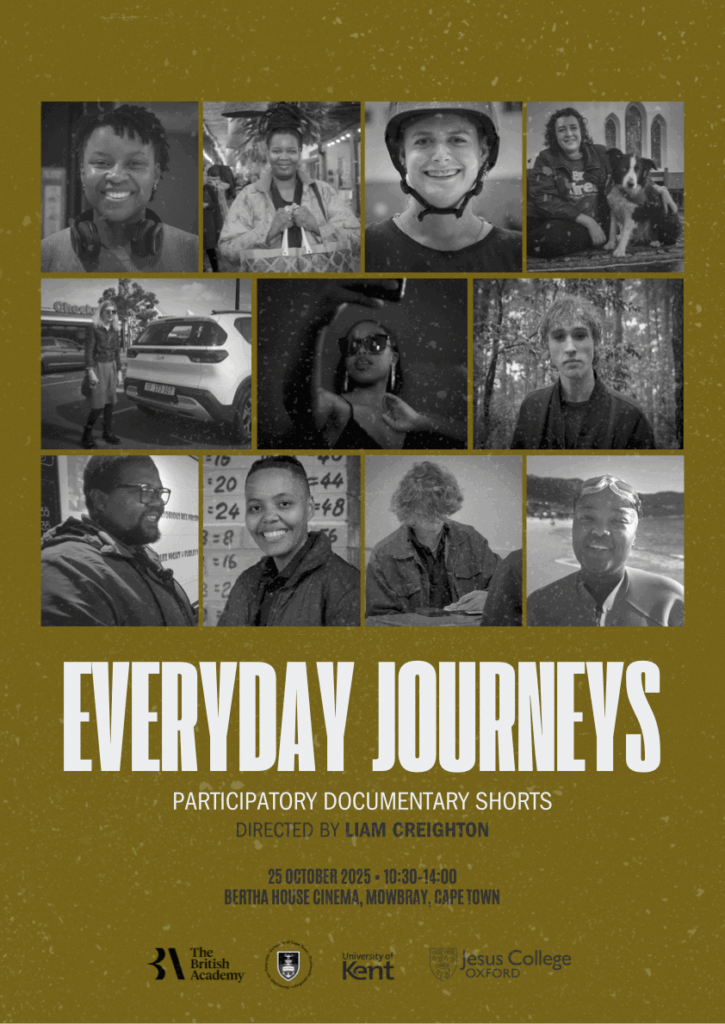
In the summer and autumn of 2024 I made two trips to Cape Town, South Africa, to film a series of participatory documentary shorts. The first screening of these pieces is happening in two days at the Bertha House Cinema in Cape Town. Unfortunately I can’t travel out there to attend the screening but I hope it goes well.
It will be interesting to see what journeys these films have, and which academic conferences and essay film festivals they will screen at.
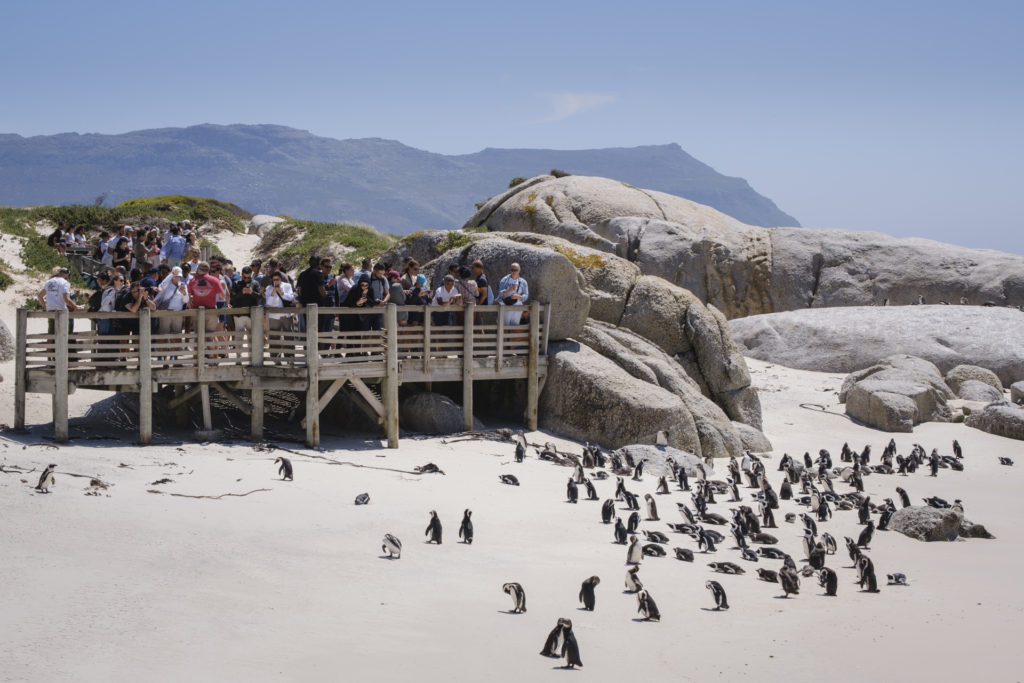
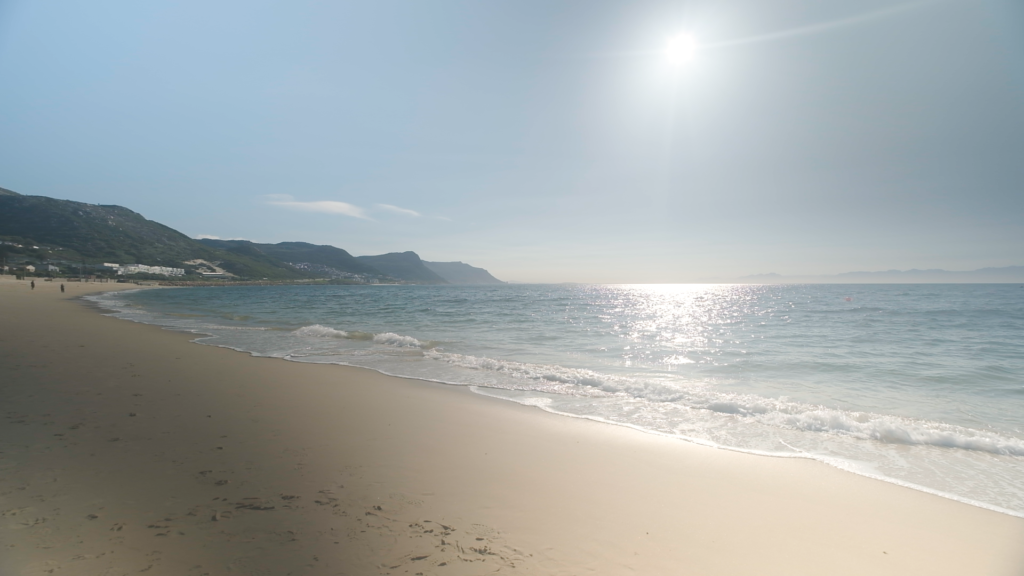
It was an absolute pleasure to film with the eleven different participants. Seeing Cape Town through their eyes made for a much deeper experience than anything I’d have had bumbling about like a tourist. That said, I did manage some touristic bumbling, during which I went to see the humans watching penguins at Simons Town Beach and climbed Table Mountain the hard way, which is something I really want to do again.
The research project will also be publishing an edited collection of essays and a book of interviews with artists seeking to represent the unspectacular, everyday aspect of a number of cities.
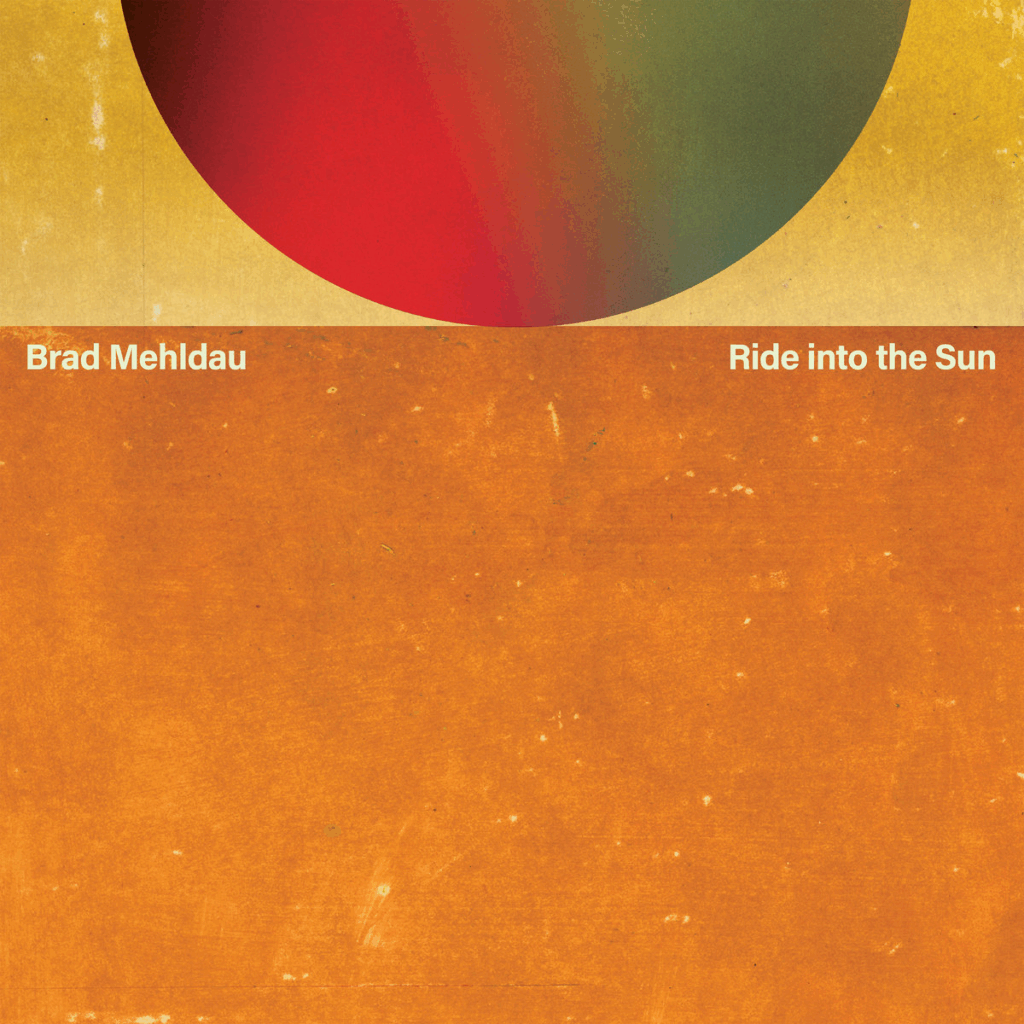
This is just wonderful stuff. Renowned jazz pianist Brad Mehldau has frequently taken inspiration from the world of rock, recording versions of Beatles, Nirvana, and Radiohead. His latest album, Ride into the Sun, which was released at the end of August, is primarily interpretations of Elliott Smith songs. His treatments reveal new facets of the songs, including a touch of Kurt Weill on Everything Means Nothing To Me. I think this is going to be one of my most-listened to records throughout this autumn and winter.
This one is a bit of a deep cut. Blood Music: Pentamerous Metamorphosis is a Madchester-meets-Shoegaze album by the band Chapterhouse called Blood Music from 1993 remixed out of all recognition by Global Communication, aka Tom Middleton and Mark Pritchard. In some ways it feels like a rehearsal for their beatless ambient house genre-defining album 76:14.
None of the tracks is shorter than 10 minutes. Snippets of vocals from Blood Music emerge through the washes of synths, but nothing jumps out and interrupts my writing flow. Mark Pritchard’s latest work includes Tall Tales, a collaboration with Thom Yorke. My favourite of Pritchards’s releases in the last decade is The Four Worlds, which is a bit harder to write to.
Danny Boy Patches It Up! is a road trip comedy series that I suppose came out of spending too much time daydreaming about riding long distances on bikes. A musically-talented idiot cycles 4000km across Europe to try to win back a girl. I first informally pitched it to Lamar at a tapas bar during Conecta 2024 because it felt like he’d get it. He did, and so here we are. This pitch will be the first time a Swiss-produced project has been selected to pitch at Conecta.
Lamar tells me we’re one of 30 projects selected from a pool of 438 applicants across 39 countries, so this feels like an auspicious start to the show’s journey.
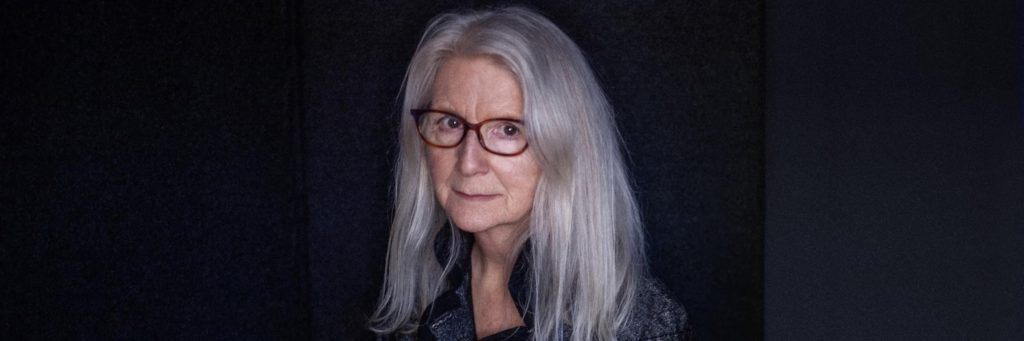
I saw the wonderful Sally Potter perform songs from her new album Anatomy at Café Oto last night.
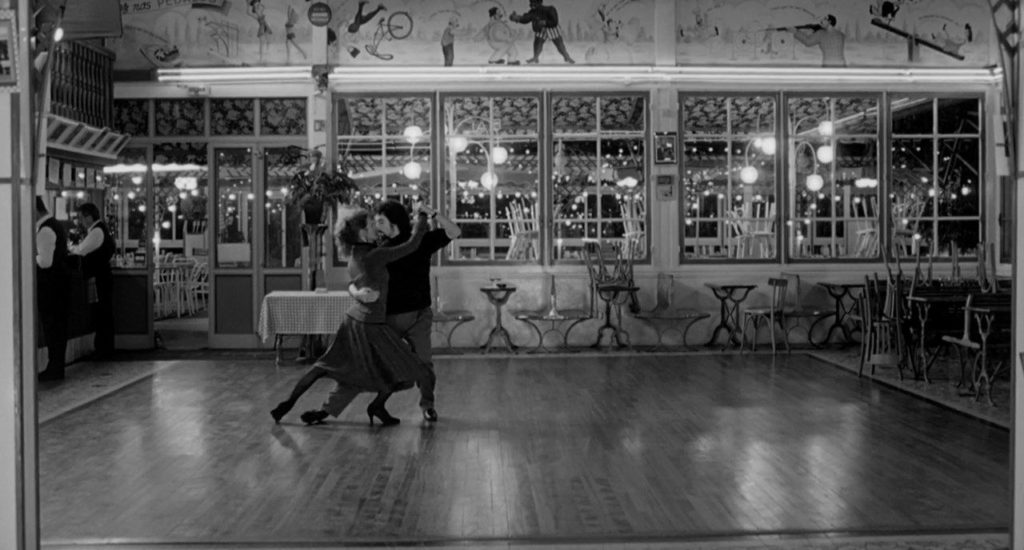
I was genuinely surprised to find out that the director of Orlando and the Tango Lesson was recording songs, but not surprised to discover that the straightforward lyrics communicate complex metaphor, and that the musical accompaniment is precise and often delicately handled. There’s a touch of Weimar cabaret, or perhaps a little bit female Leonard Cohen to Potter’s speak-singing approach, which is fitting because her topic is primarily our embodiment in a world we are environmentally despoiling.
Here’s an interview about her new album in The Line of Best Fit where she shares various thoughts about her inspirations for the album, and how music is best used in film: as counterpoint, which of course is correct.
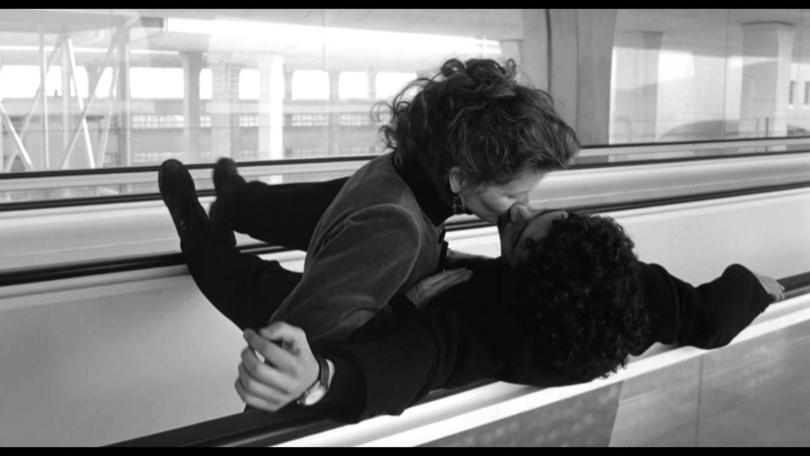
It was such an intimate show that afterwards I got to thank her for creating certain scenes in The Tango Lesson that live on in my head years after watching, particularly the ones of dancing on airport travelators, which come back to me every time I’m in an airport, making the entire experience more bearable.
It’s such a beautiful film, the album is of a piece with the rest of her oeuvre, and Potter is an absolute icon.
As part of the Imagining the Ordinary City project I’m working with interviews in languages I don’t speak. South Africa has twelve official languages and I understand only one, English. I need to work with interviews in Afrikaans and isiXhosa.
Adobe Premiere has a suite of features that Adobe calls ‘text-based editing,’ and one of these is automatic machine transcription. It’s not perfect, but reading and rearranging the transcription makes it quicker for me to edit interview audio to make it more concise, lucid and emotionally engaging. Captioning becomes a process that takes hours rather than days. It’s a handy time-saver for interviews conducted in English, at least.
I’ve also been using it to help my academic colleagues with interviews they are planning to publish in book form. When I offered to auto-translate an interview that transitions smoothly between English and isiXhosa the results were… unusual. Premiere’s auto-transcription supports only incredibly widely-spoken languages (and Danish). The algorithm recognises some English, assumes everything else in the interview is in English, and goes to some very strange places.
“But know that you climb a ladder to get a pot roast lamb might make your, your bit.”
“Anyway, Robert’s pattern in the tattoo of Ram and we have four letter to 12, panel five, number four Liverpool took I just I always found it so jarring, but oh hello mama mama mama mama mama.”
And “I got lost because England ends as well,” which sounds like a description of my last visit to Cornwall.
There is something to be said here about the inherent biases of the tech industry, the growth in LLM-generated text, the boost these technologies give to widely-spoken languages and the pressures they will exert on languages that are more regionally specific. Maybe this point can be made in surreal cut-up isiXhosa poetry mistranscribed into English?
My friend Rebecca Marshall’s feature documentary The Forest In Me has its first public UK screening in Lewes on 26th April. It’s a ‘letter to the future’ from Rebecca to her infant son and is told through the interwoven strands of a Siberian hermit woman, a Mars simulation crew in Hawaii, and Rebecca’s son exploring the world.
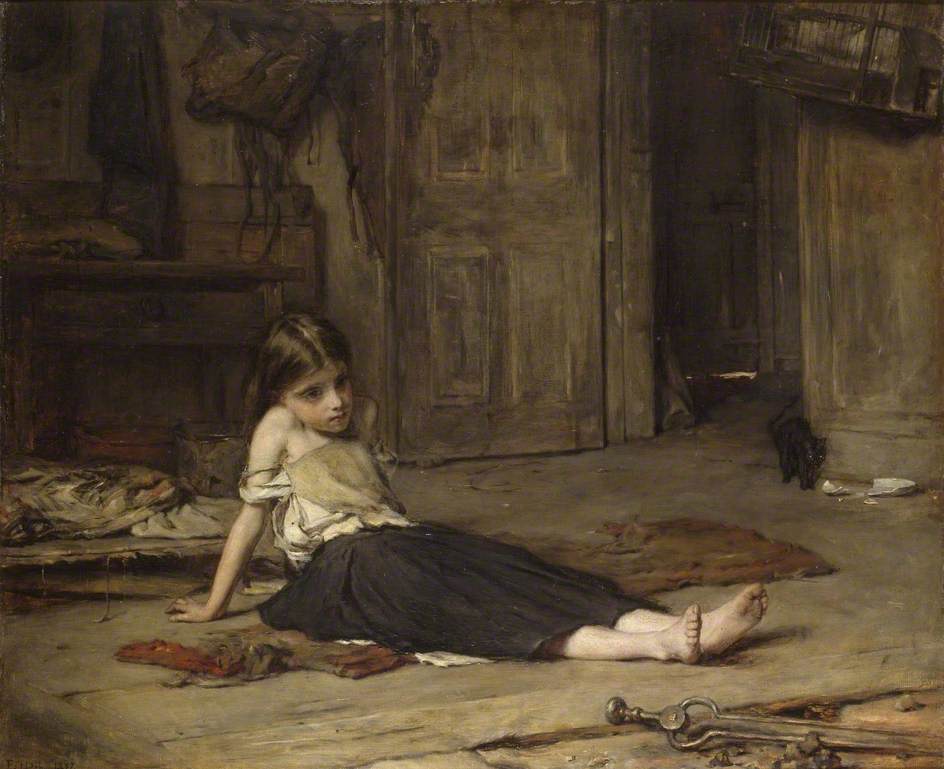
Family business took me to Oxford at the weekend, so I took the opportunity to check out some bits of the Ashmolean. I was primarily interested in the Pre-Raphaelites (for writing reasons), but in the next room was this lovely canvas. Mid-Victorian and a lot more realist, Frank Holl’s Faces in the Fire shows a young servant girl, transfixed by what she sees in the fire just beyond the frame. It is so diverting that she seems to have forgotten about her duties.
Such simple and effective visual storytelling, helped by the title and the power of subtle suggestion, like the placement of the fire irons in the bottom right of frame and a few little bits of easily-read symbolism like the bird cage that, in combination with her simple clothing, reinforce the idea of her servitude. The muted colour palette and the detail around the hunched shoulders are just fantastic. An understated beauty of a painting.
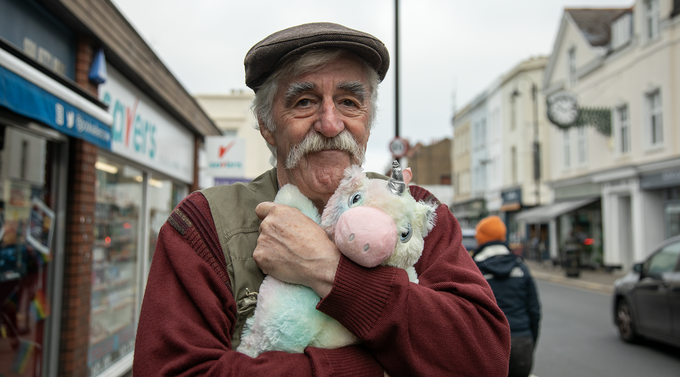
I just voted to turn this pensioner into a coffee shop.
My friends Laura and Laurence are Kickstarter funding the postproduction on their Shore Scripts award-winning absurdist comedy He Woke Up to Deflating News. Along with pledging you can also vote on whether to save Michael or uphold the planning permission allowing Bett-a-Boulanger to remodel his insides. Pledge and vote! Or don’t. Your choice.
On Monday night I attended a launch event hosted by the Swiss Embassy. Great Expectations, is a retrospective of Postwar British films that will screen at the Locarno film festival later this year. It was particularly interesting to hear curator Ehsan Khoshbakht talk about how he first encountered many of these British films on TV while growing up in post-revolutionary Iran. Apparently during the pre-revolutionary period, when relations with Britain were cordial, a good number of British studio-era pictures were sold to the national broadcaster.
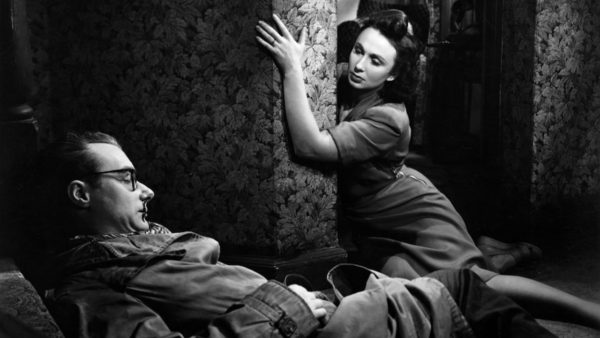
After the revolution, Iranian TV struggled to import new films and they also needed material that would get past the censor – no overt sexuality being a major requirement. British films like It Always Rains on Sunday (1947) struck a delicate balance, alluding to violent crime and dark sexuality without being graphic, and of course there was no need to import them because the physical prints were already in Iranian archives. In some ways the situation is analogous to the way a young Martin Scorsese watched British films on TV in the USA – British films exploited a quirk in the local market (Hollywood studios, with their cinemas in direct competition for audiences with TV, refused to license their films to broadcasters). Given the state of Iran’s international relations and its stance on intellectual property law, it is not clear whether licensing fees were ever paid to British companies for the broadcasting of these films, but what is arguably more important is the role these films played in spreading representations of British society and culture.
There was also a brief appearance from Angela Allen, a legendary script supervisor (but in the immediate Postwar Era her title was “continuity girl”) who worked on a huge number of films from this era, including Carol Reed’s The Third Man (not in the Locarno retrospective for self-imposed curatorial rules: no fantasy, no films set outside mainland UK). I met her briefly in a BECTU event about ten years ago, and it is great to see that she is still as forthright and inspiring today as she was then.
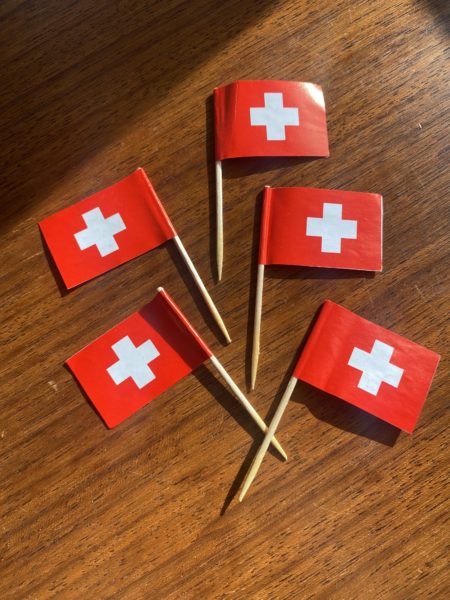
The retrospective features 30+ features and has been compiled with the help of the BFI and the “encyclopaedic knowledge” of Josephine Botting. It will run at the Locarno Film Festival 6-16 August 2025. And the five little Swiss cocktail stick flags I found in my jacket pocket after the event confirm that the Swiss embassy’s cheese offering is as good as you would expect.
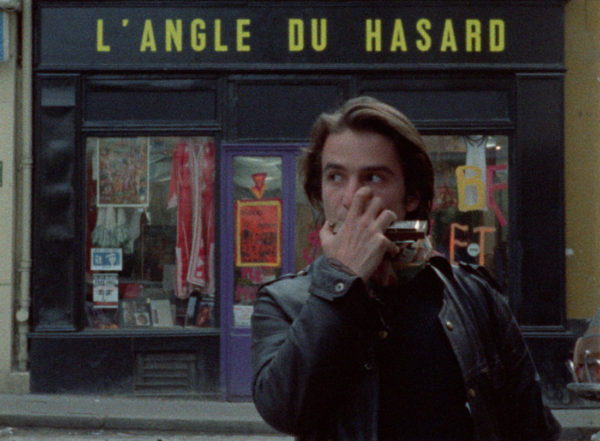
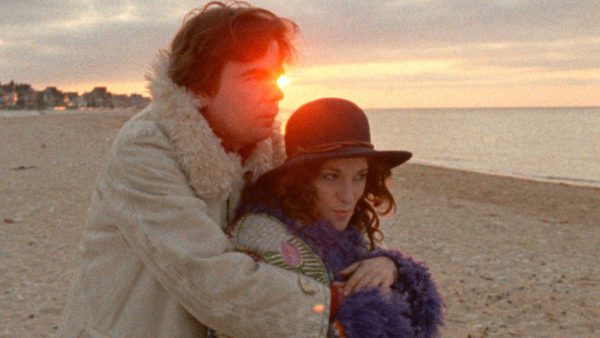
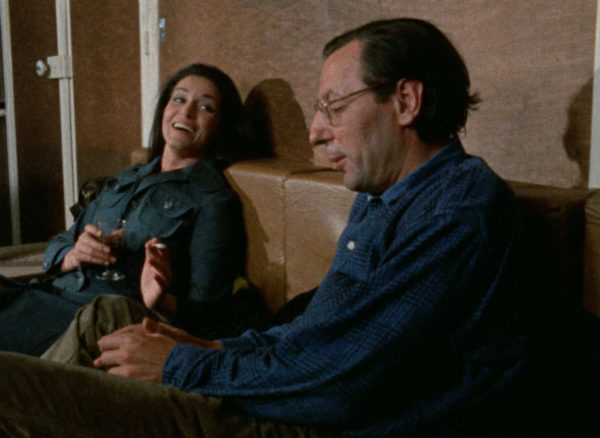
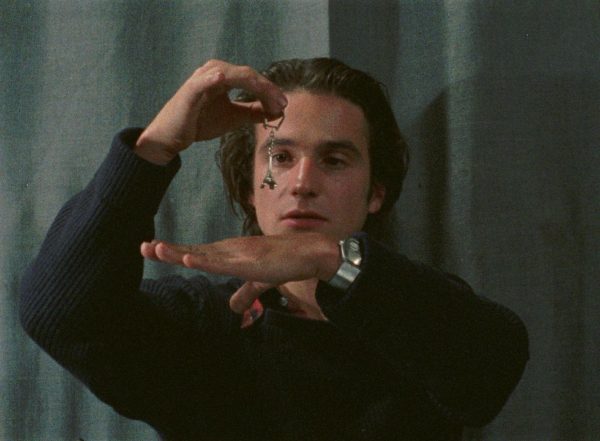
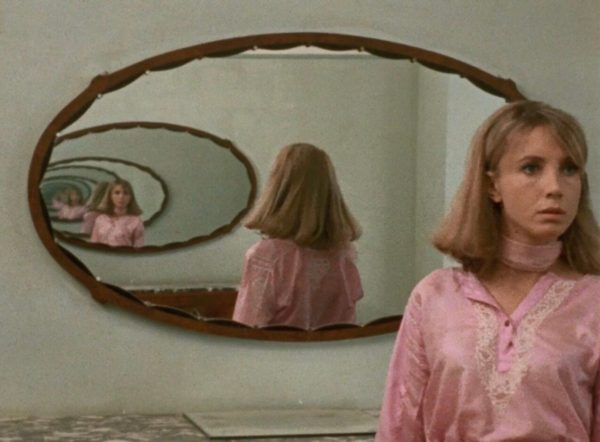
I spent the majority of my weekend at the ICA watching what seems to be only the third ever screening of Jacques Rivette’s film Out 1 in London since its release 55 years ago in 1970. It is perhaps the least watched of the clutch of films that regularly appear on critics’ “best of” lists. Historically there were a number of obstacles to screening it, not least a run time of just under 13 hours. It is split into eight segments, so it can be viewed with intermissions. Film prints of Out 1 ran at the European standard of 25 frames per second so screenings on North American projectors (which run at 24 frames per second) were half an hour longer still. No subtitled prints of the film were made, so screenings in non-Francophone countries required separate projection of subtitles made by people who were unlikely to have watched the film more than once, and who would have struggled with the frequently overlapping dialogue. Arranging to watch the film with friends, we joked about the provisions we’d need: snacks and water for sure, pillows, iodine tablets, tents, carabiners, as if we were about to climb a mountain of film.
The narrative is made of lightly-edited long-takes of scenes which are mostly improvised. Two different theatre troupes are devising novel approaches to The Seven of Thebes and Prometheus by Aeschylus. The troupes approach their productions almost exclusively through improvisational games and two directors seem to be former romantic partners, now estranged. In parallel to these two ensembles, two ‘outsider’ characters follow solo journeys that occasionally intersect with the actors. A woman seduces men long enough to steal their money until one day she accidentally steals some intriguing and incriminating letters that point towards a conspiracy, and a young man (played by Jean-Pierre Léaud) receives cryptic notes that send him on a Quixotic investigation into a secret society called The Thirteen named for an Honoré de Balzac novel. The first three hours are impressionistic and introduce most (but not all) of the principal characters, and the first act break seems to arrive in the fourth hour.
The pacing and length and looseness of the scenes make the viewing experience particpatory – a particular primal grunt, a foot shoved into the mouth of an actor during a physical improvisation, the repetition of a gag to absurdist degrees, all become stimuli for speculation. Just as the actors attempt to collaboratively devise their productions, the viewer becomes a participant in a one-sided game of ‘yes, and…’, that involves picking up the performers’ loose ends and attempting to weave them into a fabric of meaning. This is different from the process of piecing together a more conventional ‘closed’ filmic narrative that seeks to minimize ambiguity because there is no guarantee that the elements of the dialogue and mise-en-scène really do mesh together. The closest the film comes to explaining itself is when two of the more ‘in the know’ characters hypothesize about the thoughts and actions of a third character who has never appeared on screen. The cumulative experience is similar to pareidolia – the attempt to impose a meaningful interpretation on something nebulous, such as looking at a cloud and seeing the shape of an alligator, or seeing mind control chemicals in aeroplane vapour trails.
Rivette used this narrative strategy in other films, such at Le Pont du Nord (1981) and David Lynch draws from a similar well for Twin Peaks, particularly in season three (2017). It is freewheeling, strange, and defiantly uncommercial. The whole thirteen hours of narrative were shot over a similar number of days to a regular 90 minute film, and many of the scenes seem to have been captured in one take. Child extras look down the barrel of the lens in interiors, and during exterior shots everyone stares at Jean-Pierre Léaud, who was one of the most recognisable faces in France at the time. A gaggle of young boys follow him down the street during one of his stranger monologues. Actors make abortive attempts to light cigarettes, fluff their lines or accidentally block narrative motion with a ‘no’ rather than a ‘yes, and…’, sending improvisations into meandering loops. Lighting is frequently rudimentary, boom shadows fall into shot, cuts to black disguise what would otherwise be awkward jump cuts. It is self-indulgent, messy, frequently confusing (two characters go by multiple names, depending on who they are with), and the few bursts of violent action are cheaply and unconvincingly staged. And yet despite these flaws it holds the attention like a hypnotist’s pendulum – the consciousness drifts but remains somewhat anchored.
In a strange way Out 1 predicts the ‘episodic’ storytelling that would come to prominence in the streaming age, in which the individual arc of a single episode is subordinated to the arc of the entire work. In other ways it feels like an initiation, a rite of passage on the path of committed cinephilia. Even the title positions it as a filmmaker’s film. Rivette only ever called the full film Out 1. A four-and-a-half hour cut was made of the same basic narrative, which came to be known as Out 1: Spectre. “Noli me tangere” was a note stuck to the cans containing Rivette’s preferred 13 hour cut. The phrase is latin for “do not touch me,” and it is what Jesus said to Mary Magdalene when she recognised him after his resurrection. And so we have the epic director’s cut as a holy artefact, the ultimate sanctified relic of auteurism. For the casual cinemagoer it’s little more than a pointless diversion, but for the a committed believer in the cinema Out 1 is a pilgrimage.
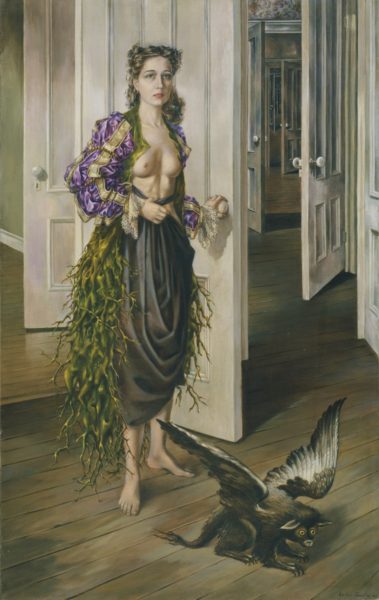
I visited the Surréalisme exhibition in the Pompidou centre just before Christmas. It was wonderful seeing some of the massively famous works like Magritte’s L’Empire des lumières (1954) and of course various bits of Dalí. But even better were the surprises – and in particular Dorothea Tanning‘s work, which has an invitingly dark humour about it. Her first major painting, Birthday (1942) stopped me in my tracks. It is a self-portrait, and Tanning’s plaintive look out of the canvas is a big part of the work’s affect.
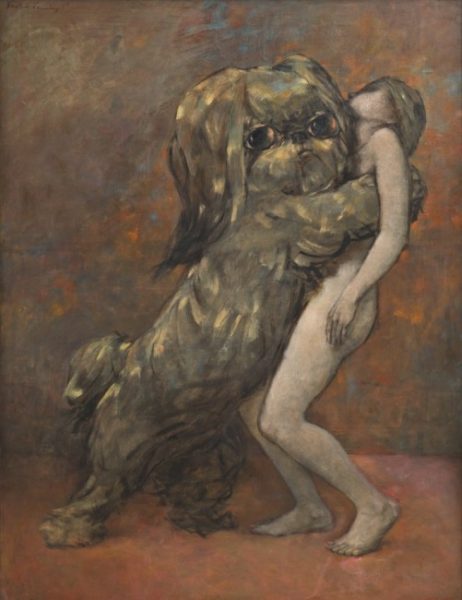
Since then I’ve discovered that another of her paintings, Tableau Vivant (1954) hangs at the National Gallery of Scotland in Edinburgh, so obviously I need to pay it a visit. Marcel Duhamel describes it as being “a bit like having psychanalyzed [sic] your dog, then illustrated the phase of ‘transference,’ to use the jargon.” Tanning replied that her dogs were loathe to be psychoanalyzed.
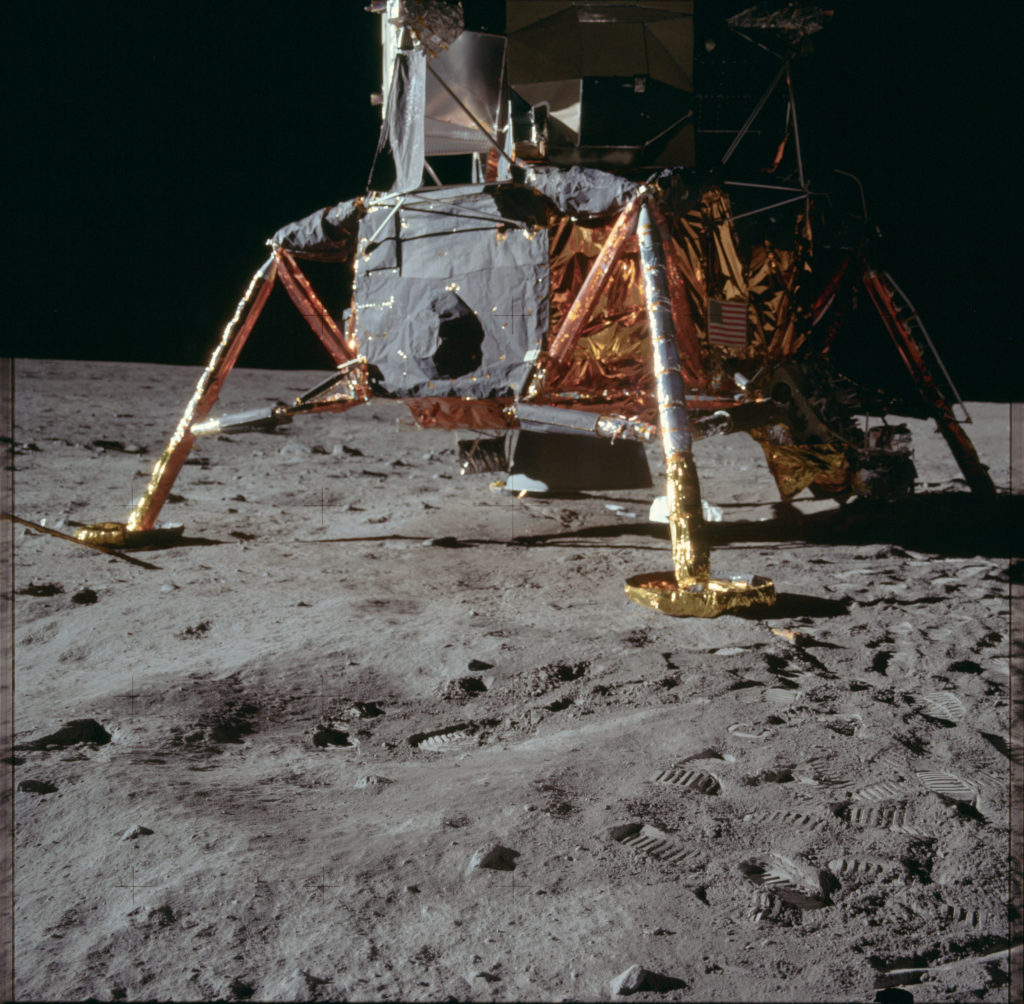
I woke up this morning thinking about space. Or rather, the shift in rhetoric about space exploration over the last couple of decades.
My opinions on space exploration used to be a lot more earthly, “why are we messing about up there when we haven’t got down here sorted out properly yet?” The usual. But as I read more sci-fi I became a more sympathetic with the motives: innovation, exploration, and the idea of something to collectively dream for. For example, Kennedy’s rhetoric, and the sheer number of times he said “We” in his 1961 speech to Congress; Apollo 11’s plaque that read “We came in peace for all mankind.” Of course, this isn’t to discount the fact that NASA was engaged in a soft power war with Roscosmos, but the fact that part of this rhetorical conflict was centred around an appeal to a collective ‘we’ is significant. I think what I came to appreciate was the imaginative ambition of the push to do more, go further, in which we were invited to share as a common dream.
Compare this with the current rhetoric and mores of space exploration. NASA has taken a back seat to private companies owned by billionaires. Space exploration is entirely about servicing the needs and prestige of a tiny number of very rich men. Who is talking about the collective any more? We no longer have a collective stake in transcending our physical, earthly limitations. This shift represents a sort of bottleneck in the collective imaginative ambitions of humankind as a whole. 21st century robber barons have stolen even our dreams.
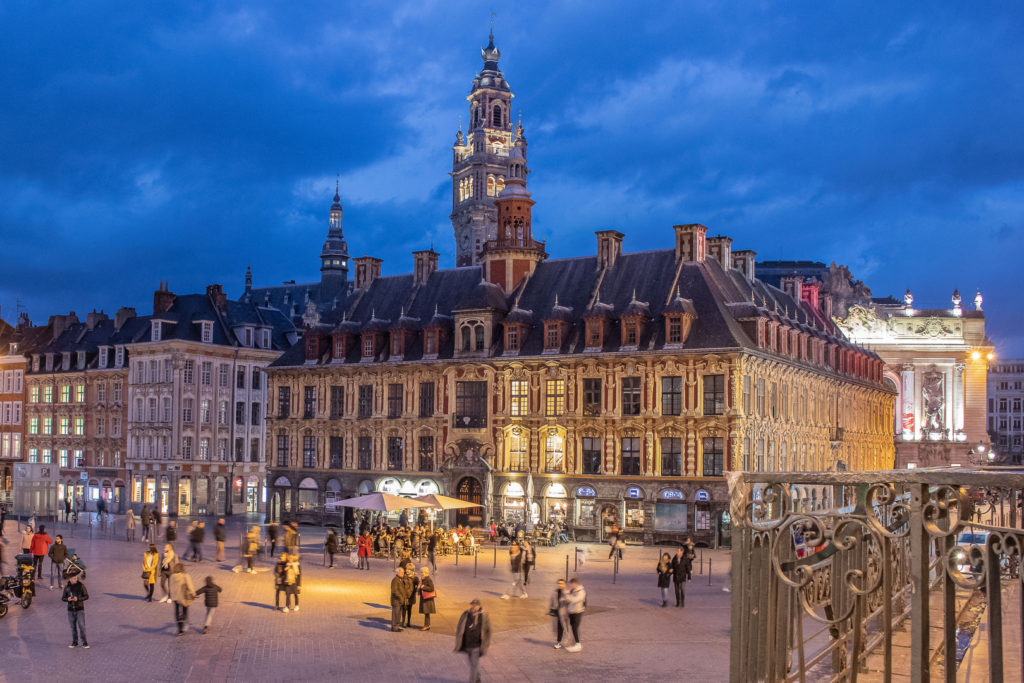
After making a quick trip to Lille two weeks ago I’m now booked for the SeriesMania forum in Lille 24-29th March. I’m staying in a cute little place on the Place des Archives in Vieux Lille, right near the Marche de Vieux Lille, so I’ll be a quick stumble from excellent cheese.
I’ll be there with my co-writer Anthony Alleyne, and we’re looking forward to a week of taking the temperature of European TV drama production and meeting up with some lovely folks.
And maybe, just maybe, we’ll be announcing something there.